After more than a decade of relatively quiet residential development, momentum has returned to West Bend.
At the south edge of the city, plans are moving ahead for nearly 400 apartments on what is now mostly open farmland. A few miles north, a long-stalled condo development dating back to the early 2000s could finally be built out. Elsewhere, developers are pitching duplexes on former parking lots, townhomes near the city’s historic Main Street and subdivisions on surplus manufacturing land.
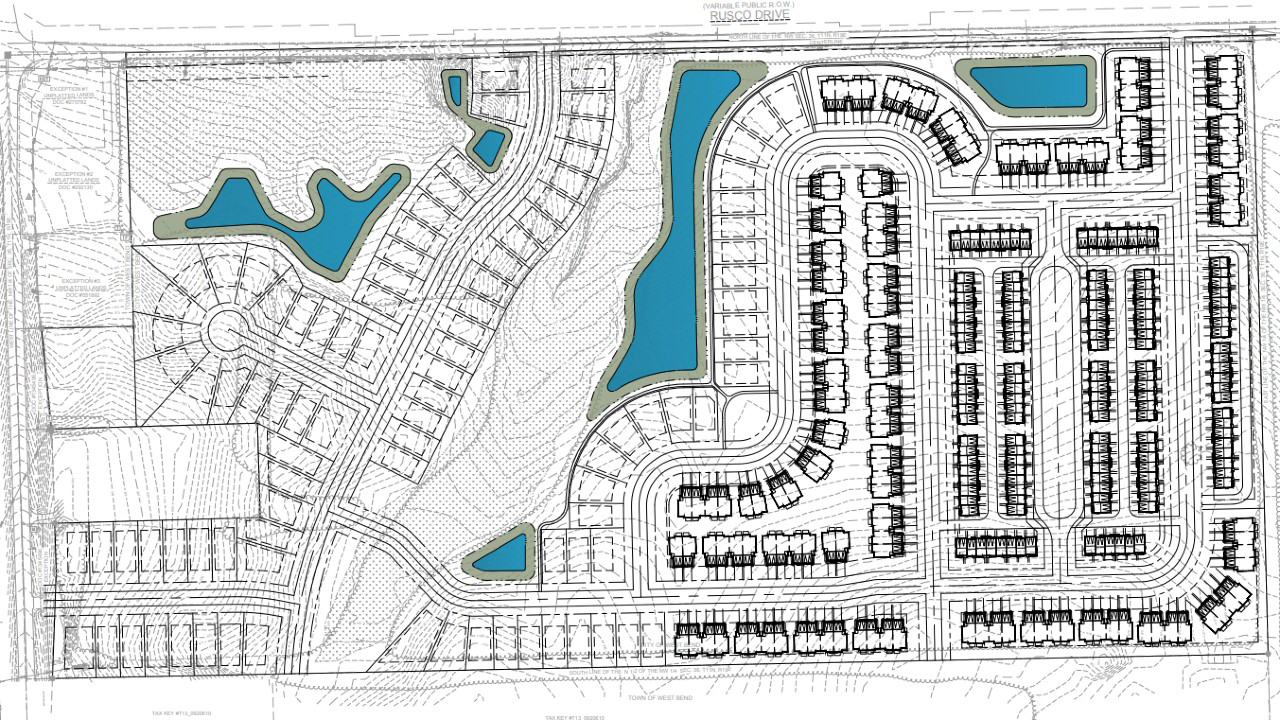
Over the past several months, the city has fielded proposals that span virtually every housing type. Milwaukee-based Fiduciary Real Estate Development is advancing plans for a 391-unit apartment community on 64 acres at 2010–2012 S. River Road. On the ownership front, Scott Simon of Peyton Group and Winter Park Builders is proposing 382 owner-occupied units on 72 acres south of Rusco Road, including single-family homes, ranch-style duplexes and townhomes.
On the city’s north side, Milwaukee-based Lange Urban Sustainable Homes is pitching six for-sale duplexes on a vacant site that used to be a parking lot at 2050 Stratford Road. Meanwhile, Glenbeulah-based Hillcrest Builders & Construction plans to revive a development along Barton Avenue and Lakeridge Court that stalled during the Great Recession, adding 36 duplex units and six single-family homes to land first platted more than 20 years ago.
A recent consultant report prepared for Washington County by Tracy Cross & Associates concluded the county’s rental market is “as tight as we see in Wisconsin.” Stabilized multifamily vacancy countywide is roughly 1%, with West Bend at 1.4%. A healthy vacancy rate is around 5%, according to Tracy Cross’s report. Further, homes for sale typically remain on the market for just over two weeks, which is much lower than recommended for a healthy market.
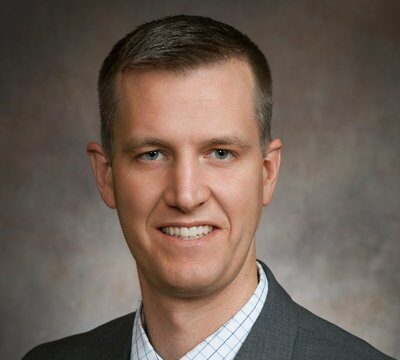
“This county should continue to nurture an influx of rental housing communities, looking at diversified products,” said Erik Doersching, president and CEO of Tracy Cross.
The challenge, he said, will be managing pricing, which can only be achieved through continued use of public incentives and initiatives.
A map of Scott Simon’s 382-unit mixed-density proposal. Credit: Pinnacle Engineering Group
LUSH’s Stratford Road duplexes would participate in Washington County’s Next Generation Housing initiative, which offers $20,000 per unit in zero-interest loans, repaid upon sale, along with permitting grants in exchange for price caps. Additionally, the firm, founded in 2021, uses alternative construction methods such as interlocking plywood framing to reduce build times and costs.
Simon’s 382-unit proposal would also include homes priced under the county’s NextGen caps – ranging from roughly $340,000 to $420,000 depending on product type – alongside market-rate units.
According to city administrator Jesse Thyes, West Bend has seen a noticeable increase in housing proposals in recent years.
“Prior to the last couple of years, it had been a decade, give or take, that residential development really had not happened in earnest,” Thyes said. “It had been kind of scattered. But over the last couple of years, it has really picked up.”
Thyes attributes the momentum in part to infrastructure investment and civic upgrades, including downtown improvements, work along Main Street and the Riverwalk, and emphasis by the school district on marketing the quality of its programs.
However, West Bend has also seen growth in the industrial sector.
A 216-acre business park called the West Bend Manufacturing Center includes facilities for Milwaukee Tool, Kettle Moraine Industrial Products and a planned headquarters for PS Seasoning and its sister company Pro Smoker. Adjacent to that business park, a 107-acre business park called Crossrail Commerce Center is also planned. On the city’s east side, manufacturer Server Products is also planning a new headquarters.
“As a whole, our community has a lot of good, positive energy,” Thyes said. “That’s creating momentum in different areas, and right now, residential development is a big part of that.”
That diversity is something Thyes said stands out compared to his previous role as village administrator in Grafton, where development was more heavily skewed toward single-family housing.
“Here in West Bend, it’s much more of a diverse development trend,” he said. “Industries are excited because growth means local workforce, and housing is picking up because developers know those businesses are here and expanding.”