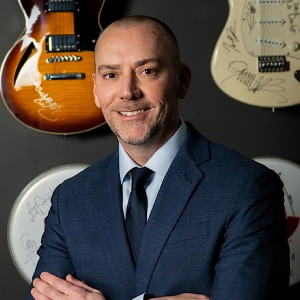
JaQuawn Seals thinks he would be dead or in jail if he had not found his way to Neu-Life.
He was a child when his father, who was a gang member in Chicago at the time, introduced Seals to a life of crime. His mother, wishing to keep Seals on a better path, took him away to live in Milwaukee when he was 14 years old.
But Seals found a group of guys involved in the same criminal activity he experienced in Chicago. Connected with the wrong crowd, he continued down that road of illegality until he decided to look for a job.
When Seals was about 15, he went to what was then known as the Milwaukee Area Workforce Investment Board – now Employ Milwaukee – to apply for a job. A couple of months later, the agency connected him with Neu-Life Community Development, a Milwaukee-based nonprofit organization providing youth programming and education. Seals started participating in multiple programs and found a place of comfort where he “could just be a teenager,” he said.
“Outside of Neu-Life, I would be in these environments where I was around gang activity, I was around gunshots,” Seals said. “I was around violence. I was around domestic violence. My mom was at work a lot, so I had to step up and take care of the kids in her absence. (Neu-Life) was really a safe space for me to escape the everyday hazards that I was facing and to come and fill my life and mind with some positivity.”
Through Neu-Life programming, Seals was able to visit Wisconsin Dells and Six Flags Great America as well as participate in community service projects.
“I grew up in this box that people would consider the hood, and that’s all I saw my entire life,” Seals said. “That’s all I knew, so I became a product of my environment. I started to believe that this is the way life goes, but going to Neu-Life opened my eyes and showed me that life is bigger than this little box.”
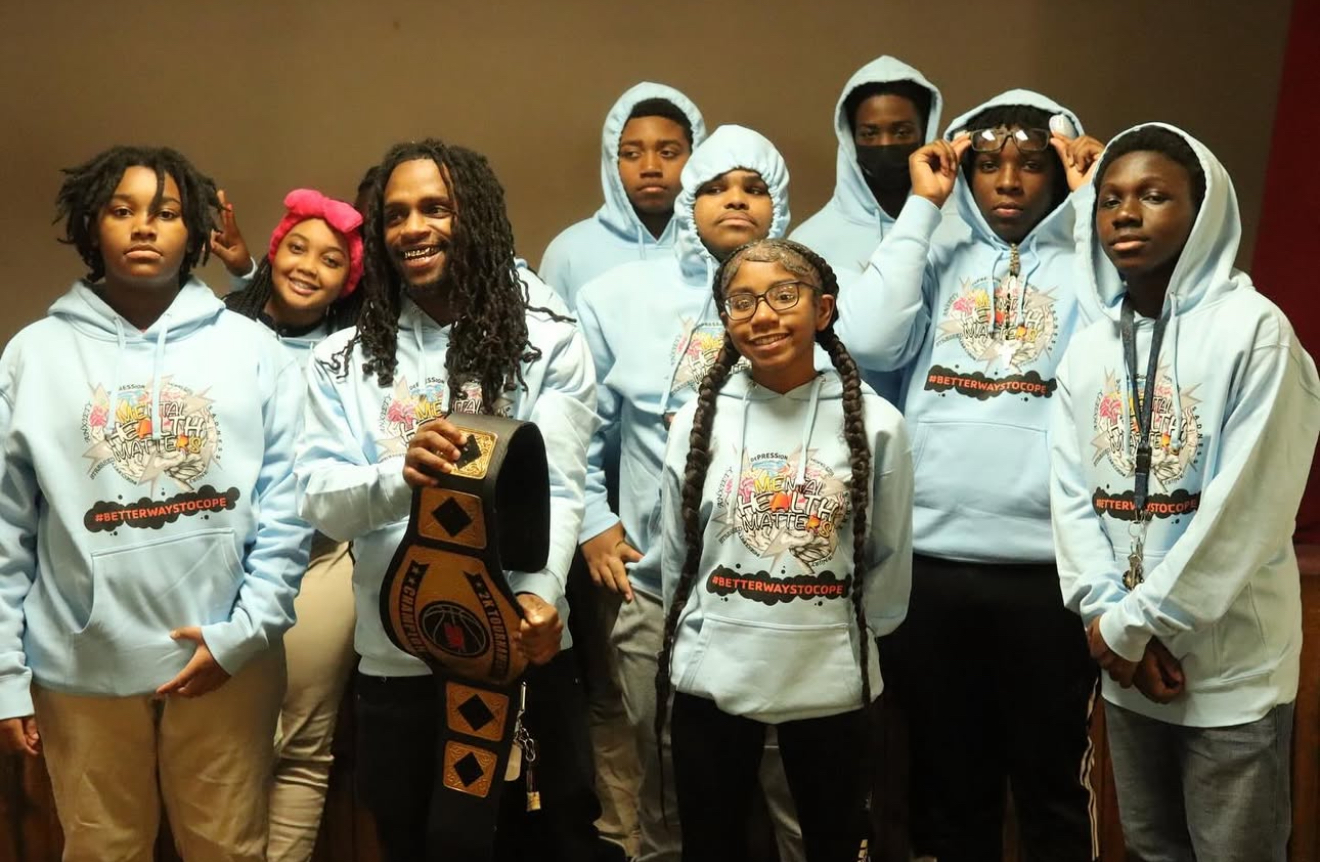
Neu-Life transformed his mindset and his way of living, said Seals, who now works as a site coordinator and basketball coach for the nonprofit. He has been involved with Neu-Life for 16 years.
“I honestly feel like if it wasn’t for Neu-Life, I would have ended up dead or in jail,” Seals said. “Coming to Neu-Life, I was involved in gangs, I was stealing cars … I’m so grateful for Neu-Life because I strongly believe that I would have continued down that road. I have so many friends and family members that lost their lives going down that track.”
The adults he met at Neu-Life served as positive role models that kept him on a better path. Now as a Neu-Life staff member, Seals is passionate about guiding young people who are experiencing many of the same struggles he endured.
“I can have a good grasp on the best ways to reach the youth because I was once in their shoes,” Seals said. “I know that feeling to be in a situation where there’s no hope and there’s no guidance. I know the importance of having that one person leading you in the right direction and how impactful that can be. I understand that some youth have nobody and they need somebody, and I like to be that somebody for those youth.”
‘The need for a safe place’
Numerous organizations throughout Milwaukee are focusing their efforts on supporting youth who are growing up around poverty, housing instability, violence, crime, drug use and other hardships.
The Boys & Girls Clubs of Greater Milwaukee is the largest youth-serving organization in the city and among the largest Boys & Girls Clubs in the nation. Since its founding in 1887, BGCGM has worked to bring kids in, make them feel welcome and a sense of belonging.

Once their basic needs are met and they are comfortable, BGCGM can work with youth to help them become socialized, responsible and productive, said Jeff Snell, who leads the organization as president and CEO. That has been at the core of what the BGCGM has done in its 138-year history.
But today’s youth face profound safety challenges, Snell said.
“The need for a safe place based on the danger of the streets has grown exponentially,” Snell said.
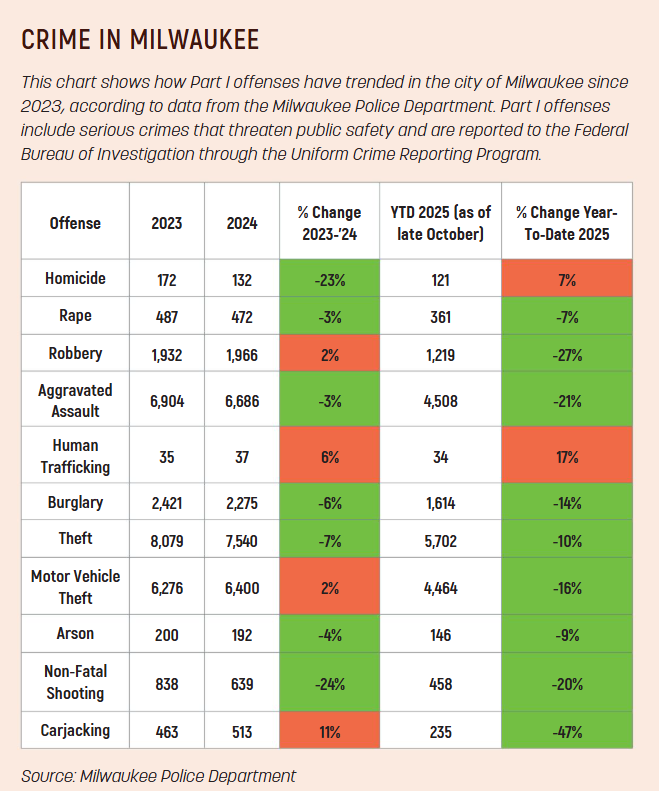
Growing up in these circumstances, many of Milwaukee’s youths are committing crimes themselves. According to a Wisconsin Policy Forum report, felony offense referrals to Milwaukee County Children, Youth & Family Services increased 13% from 2018 to 2023. Violent felonies such as armed robbery and homicide grew more significantly.
During that same period, about 78% of referrals involved a youth with a mental health condition, an alcohol or drug-use condition, or both, according to the report. Black youth are also overrepresented in the youth justice system.
When Snell first grew interested in BGCGM back in the 1990s, he became aware of how many children in Milwaukee have minimal access to opportunity, go without parental or adult guidance and feel “like there’s two strikes on them and they don’t even know the third pitch is on the way,” he said.

“It is quite real that there are a lot of kids in the (Boys & Girls Clubs) that have never seen the lakefront,” he said.
Social media and a dependence on screens have also stunted social and emotional developmental milestones for today’s youth, who are “driven to isolation and a sense of self-despair” as a result, Snell said.
“Those areas of need, the physical violence and also the psychological challenges for safety and a positive developmental period, are just blinking neon compared to what they were 20 years ago,” Snell said. “The needs have grown so much more acute.”
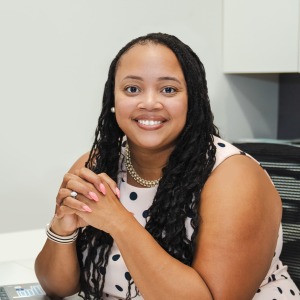
PEARLS for Teen Girls, another Milwaukee-based youth development organization that focuses on empowering girls and young women, has needed to “take a step back” and evaluate how it serves girls in the post-pandemic era, said Tiffany Tardy, president and CEO.
This is because social media has created new challenges for Milwaukee’s youth, from cyberbullying and social pressures to issues with self-image, she said.
“All those types of things impact our girls and how they see themselves in the world around them, which really, I think, directly relates to many of the challenges that we see around mental health,” Tardy said.
The Wisconsin Department of Public Instruction’s Youth Risk Behavior Survey, administered to students statewide in 2023, reported that heavy social media use may be negatively affecting the overall mental health and well-being of students.
More than half of Wisconsin students reported feelings of anxiety – about a 40% increase from 2017. One in three students felt sad or hopeless almost every day for two or more weeks in a row, according to the survey.
In Milwaukee, many youths carry trauma from living in unstable neighborhoods and environments of violence. The trauma they experience also comes from housing instability and underperforming schools that do not meet students’ needs, said Neu-Life executive director Jody Rhodes.
“They bring that heavy heart here to Neu-Life, and we try to work through that with them,” Rhodes said.
A Wisconsin Policy Forum report released in April found that student homelessness across Wisconsin public schools has reached a new high point since 2019, when DPI began tracking that data. During the 2023-‘24 school year, 20,195 public school students were identified as homeless. Milwaukee Public Schools serve about 23.7% of the state’s population of students experiencing homelessness, according to the report.
MPS also serves 23.9% of the state’s public school students who are unaccompanied by a parent or guardian.
“Unaccompanied students are a particularly vulnerable subset: those without stable housing often have poorer educational outcomes, but unaccompanied students have the additional burden of not having an adult to advocate for their needs or offer guidance and support,” the Wisconsin Policy Forum report says.
City Forward Collective, a Milwaukee-based nonprofit advocating to improve the city’s education system, has compiled a data dashboard from DPI’s school report cards released last year. Of the 243 Milwaukee public, public charter and private schools with a DPI rating, nearly 40% do not meet performance expectations, according to CFC’s dashboard.
Additionally, fewer than 10% of Milwaukee students met the NAEP’s proficiency benchmark this year. NAEP is also known as the Nation’s Report Card.
Students have also been displaced as MPS campuses have had to temporarily shut down for lead remediation. This further instability has been traumatic for children at Neu-Life, Rhodes said.
“We’re here to help support them through that, give them what they need – the love, the guidance, the support and any referrals we need to do to help the families,” Rhodes said. “That’s what we’re here for.”
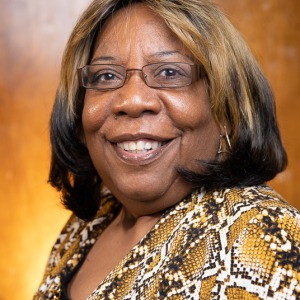
Joann Harris-Comodore, founder and CEO of Neu-Life, said working with the city’s youth and identifying their needs has taken the organization into a new stage as it plans to build a $16.2 million facility, called NeuVue, just west of downtown Milwaukee.
The NeuVue project, expected to break ground in late fall at North 12th and West Cherry streets, will include three major components: housing, programming space and community space. The housing component will include 36 studio, one- and two-bedroom units that will be split availability for Neu-Life employees and other young professionals between ages 18 to 24.
Guiding Milwaukee’s youth
The individuals working directly with the children and young adults are at the heart of the work these youth development organizations do each day.
“Our staff (at PEARLS) play all of the role,” Tardy said. “We are not who we are without our programming team and our direct service staff. They are the heart of what we do and critical to the work.”
During the 2023-‘24 school year, PEARLS for Teen Girls served 860 local girls in fifth through 12th grade. PEARLS programming, which is offered in schools and community-based organizations across Milwaukee, includes support groups, one-on-one coaching and college and career readiness resources and opportunities ranging from college visits to helping the girls understand different career paths.
The support groups allow girls to connect with peers and professionals to build sisterhood and talk about the challenges they may be facing. Through these support groups, girls build confidence, self-esteem and leadership, and work to understand the world around them, Tardy said. The goal is to ensure girls feel that they can be “genuine, authentic and honest.”
“We always have a professional team member as well as somebody who’s near peer in each of our groups to help create that trusted space for girls, which is one of the things that really comes out of our work, is that girls feel safe as they’re navigating the things that they navigate,” Tardy said.

PEARLS and Neu-Life both prioritize recruiting individuals who are alums of their respective programs.
“That’s the kind of growth and evolution of leadership that we like to see as they’re building and growing and learning, and then giving back to the girls that are coming after them,” Tardy said.
While the BGCGM’s programmatic experiences matter significantly, “it’s not a substitute for the person” who interacts with the youth, Snell said. BGCGM staff members work to build trust that encourages young people to open up and initiate conversations about their struggles.
“Who does those sports leagues, who does the arts and crafts – that’s going to matter first and foremost,” Snell said.
The staff members who work directly with the young people BGCGM serves are ultimately the driving force behind the organization’s outcomes, such as stronger grades and high school graduation rates and fewer brushes with the law, Snell said.
“It comes out of the smart but really caring and loving voice of an adult that dotes on that young person,” Snell said. “It makes them feel like they’re capable and that they have people who believe in them and they don’t need to succumb to the negative influences to feel like they belong, or that they have somebody who respects them. We work really hard to make sure they experience that at the clubs every day.”
The BGCGM has a wide range of programs available to the 30,000 local youth the organization serves annually. But the Ready Center is the “crown jewel” of the BGCGM’s offerings, Snell said.
The Ready Center, located at 518 W. Cherry St. near the organization’s headquarters, provides youth programming focused on leadership, community service and college and career readiness. The Ready Center houses the BGCGM’s Grad Plus Program, which supports students completing college and scholarship applications, preparing for the ACT, planning for financial aid and more.
“If there was an alphabet, A to Z for college access, we’re covering every letter of that alphabet to ensure that students and families are fully aware of what it means to take advantage of a college education, get an affordable college education, and then be living in Milwaukee as college graduates, productive citizens to eventually give back to the city of Milwaukee,” Andre Douglas, assistant vice president of Grad Plus and Leadership & Service at the BGCGM, told BizTimes earlier this year.
The BGCGM’s goal is to build a broader on-ramp for young people interested in two-year associate degrees, apprenticeship programs and the trades as well as the military.
“Those are all beautiful, viable options for pathways in life, so we’re opening up that on-ramp for more kids instead of focusing almost exclusively on the four-year college pathway,” Snell said.
The BGCGM is also focusing on reaching children sooner and keeping them longer.
“We just need to continue to be relevant and do the best job we can of attracting kids to come on in and, frankly, have a childhood,” Snell said. “And then when we’re done and moving into adolescence, to have a productive pathway that instills hope, meaning and purpose, because they know that they have gifts and skills to bring to the marketplace – things that are going to lead to their self-sufficiency, which is so critically important.”
‘We are stronger together’
If local organizations come together to identify their respective strengths in the community and share resources, “we can go so much further,” Tardy said.
“We are stronger together,” she said, “We all don’t have to be the solution, or acknowledging that we all won’t be the solution, right? Each organization has a role that they can play in that ecosystem.”
The BGCGM and PEARLS for Teen Girls, for instance, have been expanding their partnership this year. They have been working on what Tardy calls their “neighborhood-based strategy,” which will host PEARLS group services and programming within BGCGM sites.
The goal is to meet girls where they are and “hit every corner of the city,” Tardy said.
“I think that the work that we’re doing with the Boys & Girls Clubs is going to be a really great example of what partnership can look like,” Tardy said.
Partnering with the business community
The BGCGM has a long history of joining forces with the business community to improve future outcomes for young people.
This summer, Associated Bank and the BGCGM launched a new six-week curriculum aiming to equip local youths with skills in artificial intelligence, data science and financial literacy. The program, known as the Associated Bank AI Academy, is designed for students in grades six through eight. It provides hands-on learning using ChatGPT and other platforms.
Terry Williams, Associated Bank’s chief information officer, leads the program.

“The world is changing,” Williams said. “You have to be technologically savvy in the world today, and with the emergence of things like AI, it’s going to be important for our youth to understand how to survive in that world.”
It’s about more than just survival, Williams said. Associated Bank is investing in Milwaukee’s communities and youth so that they can thrive.
“We want to see them thrive and excel in the next phase of their life,” Williams said.
The idea for the Associated Bank AI Academy came after a lunch meeting with Snell.
“It was clear the passion that (Snell) has. I walked away from that lunch really excited, and I said, ‘Hey, look, what about an AI program?’ And he was on board immediately,” Williams said.
Associated Bank’s partnership with the BGCGM extends beyond the new AI program. Over the past decade, Associated Bank has done mentoring and financial literacy programs with the BGCGM.
“You can invest in a lot of things, but the best long-term investment for us is investing in our youth,” Williams said.
The BGCGM partners with Milwaukee-based law firm Foley & Lardner for its annual Street Law Legal Diversity Pipeline program. The program is a six-week curriculum designed to encourage local high school students from low-income families to pursue professions in the legal field.
“We teach them about what it’s like to be a lawyer, what you need to understand when you’re a lawyer and what your job is as a lawyer,” said Tim Patterson, senior counsel at Foley & Lardner.
The goal is to also help students “understand that they can do this,” Patterson said.
“This is something that students who attend the Boys & Girls Clubs should think about, and we encourage them to use the attorney volunteers who are there as mentors.”
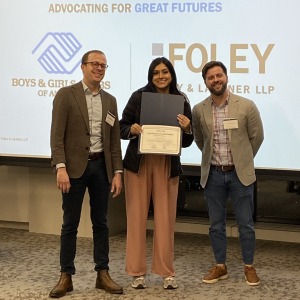
Nick Welle, partner at Foley & Lardner, leads the Street Law program. He says it is important for him to use his position to help make a legal career more accessible for others.
“My personal look at this is, I was born into privilege,” Welle said. “I think becoming a lawyer is a lot of work, but I think it was made a lot easier for me, relatively speaking, because I had a lot of resources at my disposal. Not everyone is given that chance or has that starting point.”
Because of the Street Law program, local students have achieved full-ride scholarships and have gone on to attend law school.
“I think the judicial system in this country works better if it’s more representative of the people in this country,” Welle said. “If we can even do our small part in that, even if it’s helping four or five kids who otherwise wouldn’t have become lawyers to become lawyers over a 10-year stretch, I think it’s all worthwhile then.”
‘All hands on deck’
Lifting up Milwaukee’s youth amid all the challenges they face is an “all hands on deck” mission, Snell said.
This includes expanding partnerships with and rallying more engagement from the business community.
“There’s a whole lot of really bad news and really bad press about what’s happening with the youth in Milwaukee, and that’s unfortunate, because there’s so many incredible things that are being overshadowed,” Tardy said. “That’s where I think that I would love to see the business community take more of that asset-based approach and really get on the ground and get activated and energized in the organizations and the work that we’re doing, and that’s so much more than providing money.”
Seals, who has served as a Black role model at Neu-Life, says Milwaukee’s youth need to see more Black male leadership. Once he started to see positive role models that looked like him, “it started to transform the way I think,” he said.
“If you have a space in your heart for the youth, if you understand how important it is to be a positive role model for the youth – especially Black youth – I challenge you to step up to the plate,” Seals said. “The youth need us, people that look like us, people that have been through what we’ve been through, people like me, people that come from where I came from. The youth need us more than ever today. If you have a heart or you have the thought in your mind to help the youth, now it’s time for us to step up and do so.”
This story was featured in the 2026 edition of BizTimes Milwaukee’s Giving Guide, a publication that aims to connect our readers with nonprofits and philanthropic opportunities throughout southeastern Wisconsin. Find more from the Giving Guide here and see the digital edition below: