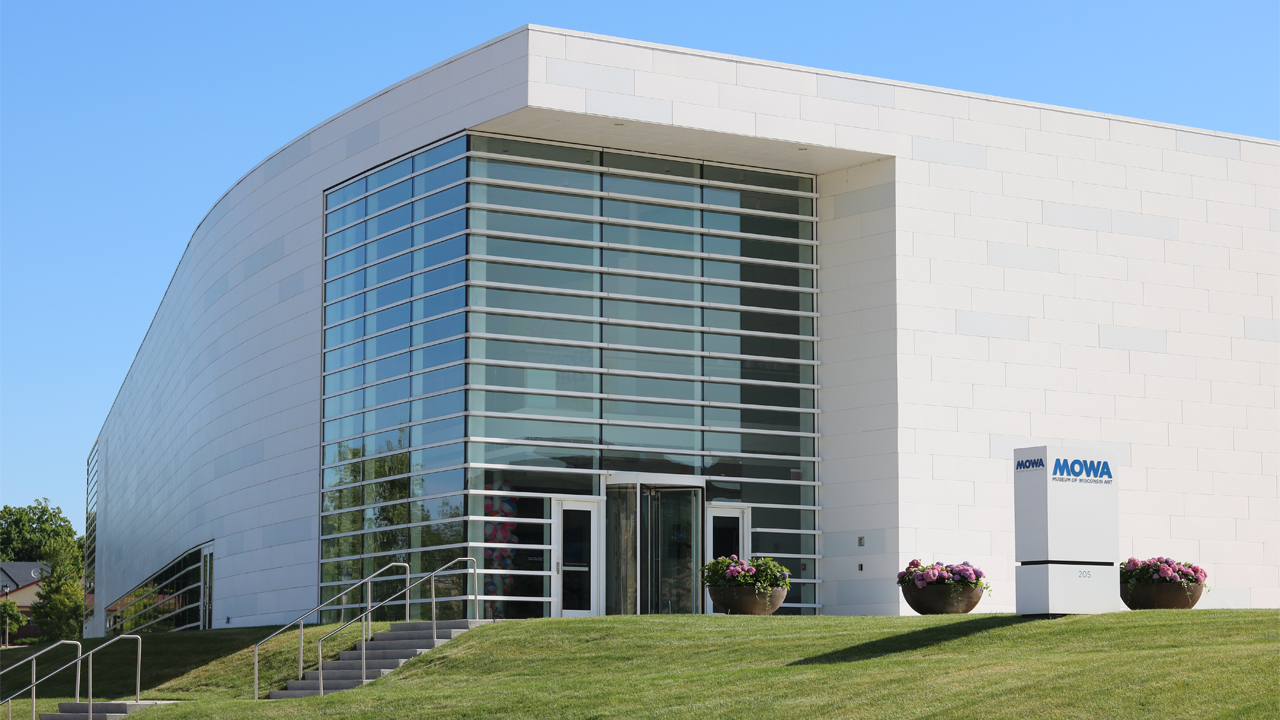
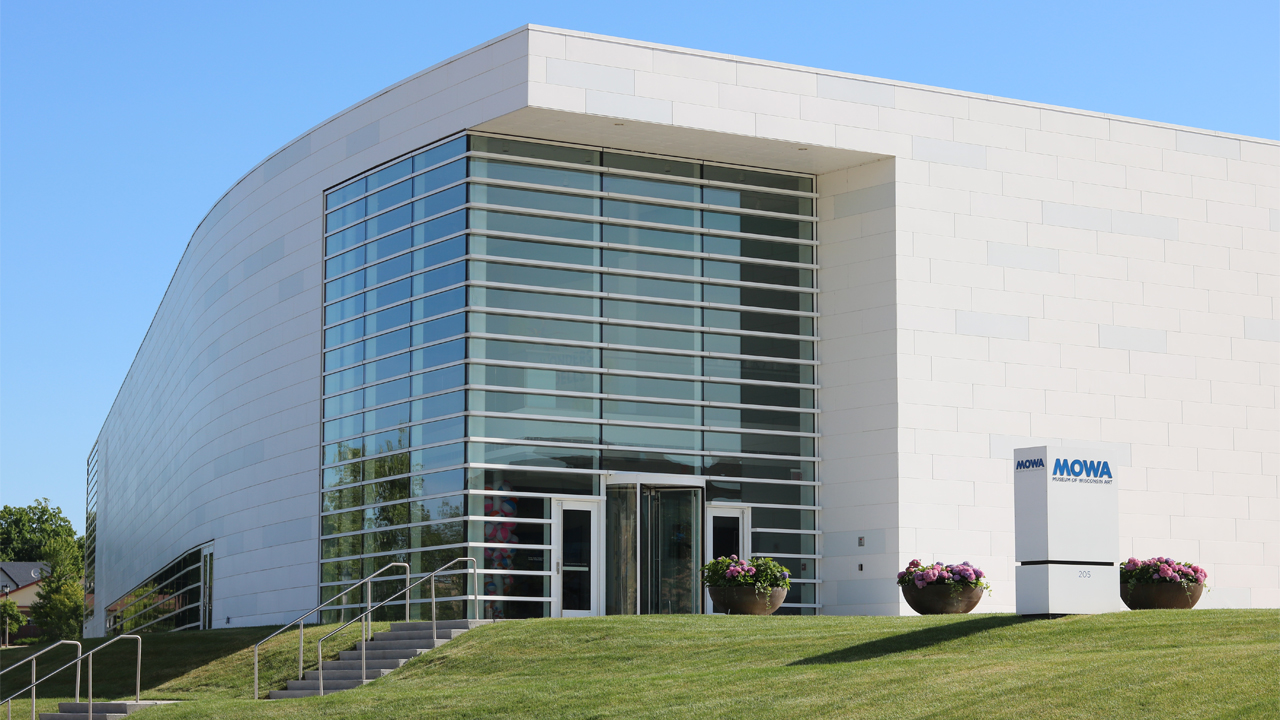
In downtown West Bend, the Museum of Wisconsin Art has seen meteoric growth. When executive director Laurie Winters took the helm in 2012, the regional art museum was housed in a 19,000-square-foot building initially designed as an office building and brought in less than 3,000 annual visitors. The museum now brings in more than 225,000 visitors annually between its 32,000-square-foot museum along the Milwaukee River in West Bend and a downtown Milwaukee satellite. In an interview with BizTimes, Winters says MOWA’s rise is due in part to doing “just the opposite” of their competitors and industry trends.
BizTimes: MOWA has changed dramatically since you arrived in 2012. The opening of the new museum in 2013 is maybe an obvious answer, so what else stands out as a couple of the biggest inflection points?
Winters: “About a month before we opened our brand-new facilities, we developed an industry-pioneering membership philosophy. Previously, I’d been at the Milwaukee Art Museum for 16 years, and I knew museums, I had studied museums and had thought a lot about models for funding and finance. Everywhere I went, there was like this endless conversation about how do you get people to come in the door. They would ask that question with all seriousness, and then they would turn around and raise prices, and they would make it complicated for people to have a membership, they would charge extra for membership. It just didn’t make any sense, and so I just decided that we were going to try to increase accessibility and reduce barriers. At MOWA, you automatically become a member when you visit, and it’s $15 for the entire year, which is less than single-person entry at most museums in the state. Most museums have a retention rate of members, 48% to 52%. We have ours in the range of 72% to 75%. Our membership philosophy has been really tremendous.
“In 2019, we launched MOWA DTN at the Saint Kate (in downtown Milwaukee). We had started looking around and thinking about how we could attract the younger audience. A lot of millennials and Gen Zers live downtown and some don’t have a car. Getting to West Bend can be difficult. Our audience at MOWA DTN is younger, and we can often partner with artists from UWM, MIAD or UW-Madison. We work with artists statewide, so we really do need to have different venues and satellite locations. As we think about what our mission is, sooner or later we’ll have other venues throughout the state.”
“Lastly, giving intentional thought to our exhibitions has helped us stand out. Some years ago, we did an exhibition of Trek Bikes: important revolutions in bicycle design, bikes that were in the Tour de France, what goes into the design, what makes those bikes a work of art. That had phenomenal attendance. Some people might say that’s not art. Of course it is. It’s not art in the traditional sense, but it is phenomenal technology and design. We need to be doing more of that. We did a Florence Eiseman exhibition, the children’s clothing designer. It had incredible generational appeal, because we had grandmothers come in with their daughters and grandchildren. More recently we’ve done Ho-Chunk Baskets, indigenous baskets made from the black ash trees, and that’s another exhibition that’s normally associated with craft, but for us, we’re thinking about craft in different ways and thinking about identifying art.”
It seems MOWA has a culture of just going for it. Is that intentional?
“It is intentional. We have a senior staff that leans heavily into the ideation category of personality characteristics. We play together really well, and we all have fun, and there are some things that are even too crazy for us. I remember when I took the job, there were some early staff meetings, and it was clear everybody wanted to give me the right answer, and I don’t like the right answer, I just like interesting answers. Often when we find ourselves looking at what others are doing, I say, ‘Well, what if we did just the opposite.’ It’s startling, but it’s also liberating.”
Credit: Museum of Wisconsin Art Museum of Wisconsin Art’s West Bend museum.
When the decision was made to build the new museum, there was a belief that it would be catalytic for downtown West Bend. Looking back more than a decade later, how has that vision played out?
“I remember interviewing for the job and having board members tell me that they were hoping we would be a Bilbao effect (which is the phenomenon of a single, striking piece of iconic architecture or cultural institution revitalizing a struggling or post-industrial city as the Guggenheim Museum Bilbao did in Bilbao, Spain). I don’t know about that, but we definitely were, and continue to be, influential. I mean, there’s been new apartments and condominiums over the last several years. We’ve seen a Marriott hotel go in across the street, and it’s across the street for a reason, because we have visitors from around the country who are visiting MOWA.”
What impact has MOWA had on downtown West Bend’s business community?
“Small businesses have really benefited as well, especially the restaurants and the small boutiques. We partner with our local business community to offer discounts for you, if, say you go into a restaurant and show your MOWA card, and you can get a free appetizer for another restaurant. So, we really have gone out of our way to partner with the community and to drive traffic.
“We have some corporations located in the area, and we know that when they’re hiring, especially in leadership positions, they bring their candidates to the museum because they know that making a move, perhaps even across the country or even just across state is a lifestyle choice. Arts and culture are an important part of that factor in making a decision to move into an area.”
What’s new at MOWA that you’re excited about?
“We just created this position of Wisconsin cartoonist laureate. I’m super excited about that. Our inaugural recipient is Paul Noth. We think cartoons are worthy of museums. It maybe isn’t traditional fine art that hangs in a hall, but does it merit our attention and have meaning for contemporary audiences? Absolutely. I’m not a big fan of the word innovation or R&D departments, because I feel like that forces you to have ideas that maybe are nonsense, but for us, we tend to think about what’s missed. We take a kind of quiet look around and ask ourselves, why isn’t anybody paying attention to this? That’s what sets us apart from other institutions.”
Elizabeth Morin is a writer based in Virginia Beach. She is passionate about local sports, politics and everything in between.
Have any Virginia Beach-related news published on our website? Email us at admin at thevirginiabeachobserver.com.