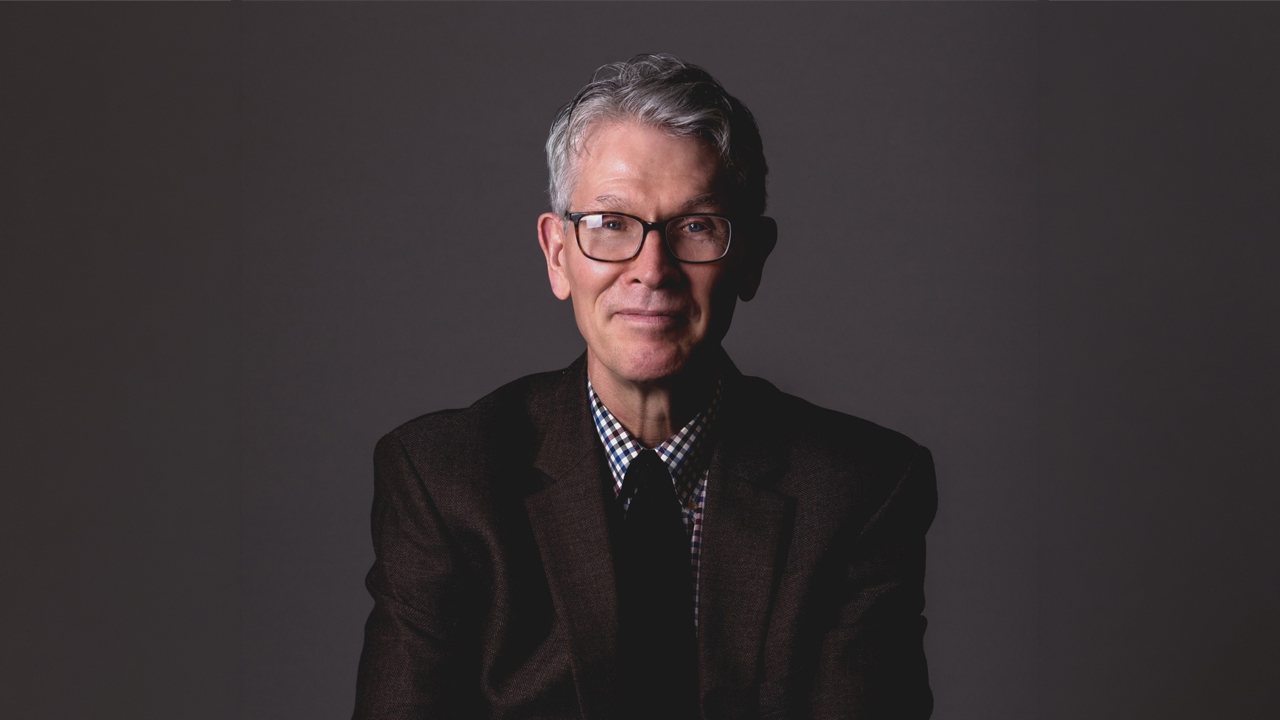
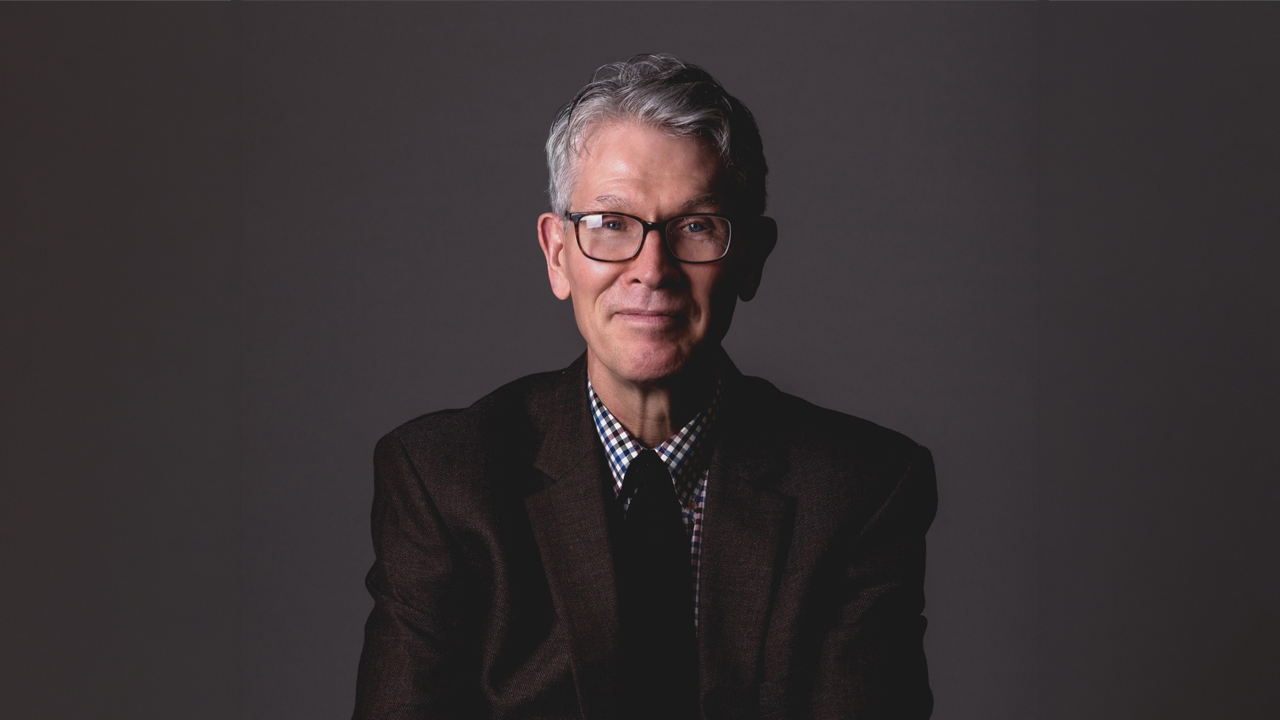
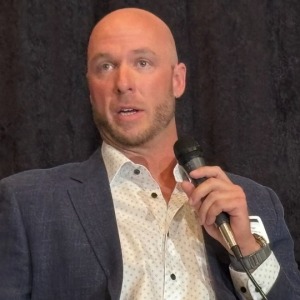
Marquette University’s commercial banking program, one of only a few undergraduate programs of its kind across the country, is marking a decade of preparing students for the region’s banking sector, and Kent Belasco, the program’s director and professor of practice in finance at Marquette, is preparing for his own retirement.
Looking ahead, Belasco’s role will split into two positions: one focused on teaching and the other a more administrative role to focus on recruiting, marketing and fundraising. One of the goals is for the program to become endowed, which would require raising around $5 million. To date, about $1.5 million has been raised to fund the program.
“It can be done. And I think that we have people that we are aware of that have that capacity,” Belasco said.
Around 145 students have gone through the program, which has its own application and interview process, and Belasco said it has achieved 100% placement of its graduates in the industry.
In his decade leading the program, Belasco said his courses have evolved to become more hands on, incorporating presentations to bankers using real loans and discussion of banking topics in the news. The intro course went from “fairly basic” to incorporating an exercise that has students run a bank for four quarters. Otherwise, ideas like liquidity, capital ratios and interest rate risk “are not really meaningful for students until they use the simulation and then the lights go on,” he said.
Belasco spoke with BizTimes managing editor Arthur Thomas recently, reflecting on the program’s journey and the challenges in preparing students for the banking industry. This conversation has been edited for length and clarity.
Kent Belasco
BizTimes: How you would describe what the Marquette commercial banking program has been able to achieve over the past 10 years?
Kent Belasco: “I entered into this with two goals in mind … to get great careers for students and … provide great talent for the industry. And I would tell you that we’ve accomplished both. We’ve continued to be each year 100% placed, meaning we’re placing them in banks and financial institutions. And the feedback that I’m getting from the bankers has been very positive. … Mainly because the curriculum that I developed is purely, truly bank related.”
What role has the business community played in helping the program?
“It’s usually the advisory board for the most part. I have a pretty extensive advisory board, around 25 institutions. They come into the classroom, they help evaluate student presentations, they come into my credit committee, and they critique student loan packages.”
The evolution of several courses, is that just a matter of how you’ve been able to get all the pieces in place, or did you kind of discover that students could handle more than maybe you thought initially, and you can push a little harder than you might think?
“What I learned more about this is to take a lesson from the military. You train constantly. You learn by training. You learn by helping them with hands-on type work. Banking gets very complex. And what I learned out of this is by getting them to do it hands on is really to help them understand the concepts more. Because early on, I was lecturing more and, again, the concepts are alien to young students. They don’t really know much about banking.”
What you found in terms of attracting students to the program, what works and what’s drawing students? Even within the finance world there are other options besides banks, and community banks, in terms of a fight for talent, have this kind of disadvantage. What gets students excited about the commercial banking aspect?
“Commercial banking is a tough sell, I will tell you that. And recruiting is always kind of job one for me because it is something that I really need to get them to understand the value of a career like this. Students today have kind of a different focus and a lot of them want to give back, is one of the things that I hear a lot. And so, in my courses, I talk a lot about how banks change communities, the economy and things like that … So, they start to understand looking at banking a little bit differently. …
“A lot of students are very interested in investment management … one of the things I’ve noticed on that is in that world, students have kind of shied away a little bit because of the intense hours. One of the things that we emphasize in banking is work-life balance – and work-life balance is really good – and the salaries my students are getting are very good, and this becomes a lucrative career for them, while at the same time they can give back and have a life, and those are things that we talk a lot about. And it seems to resonate with the students and really helps.”
There’s a lot of discussion about the potential for AI to impact, especially, entry-level roles in a lot of industries. How do you look at that risk?
“Well, it is a hot topic. …. Students are interested in it. AI is one of those areas where it’s still a little bit murky. Is there a direct job related to that, or is it just a matter that I want to understand AI a little bit more? Obviously, I think the back office is probably the key area that banks are going to focus on, and could be on the retail credit side too, because I think those are opportunities. Much of what we do is on the business side … I don’t see AI replacing that because that’s a people business and you need to get in front of people.”
You had your career in the industry before coming to academia. What have you learned leading this program that you wish you had known over the course of your career?
“What I teach today … I wish I would have known a lot of that when I was a young banker. It is just not taught in banking. … If somebody goes into a bank, a young person, and they’re going in as a credit analyst or they’re a back-office person or whatever, what the banks do is they will train them for that position. What they don’t do is they don’t train them on anything else. They don’t talk to them about how the Fed operates or what you need to know about economic indicators or how to budget or even how to read a bank’s financial statements. That’s just not taught. That’s what I teach. … Those are the things I wish I had known much more about when I was a young banker and probably would have made more of a difference for me because I would have had a more holistic view of how this operates. I don’t think the vast majority of the public really understands the ramifications of banks in the economy. People get upset with banks. They think get rid of the banks. Take out the banks, you have no economy.”
To wrap up, you have retirement on the horizon. What’s next for the program?
“One of the other things that we’re doing is, because of all the courses that I developed, and I’ve used some of these in banking as well, I do the simulation I talk about. I’ve done that for several banks as team building exercises with good success. And we, through our executive education, will probably start marketing those and I’ll be participating in developing some of those. So, I’ll stay engaged more on a little bit different basis, a little bit more flexible than the schedule that I’ve been keeping, but I’ll be involved.”
Elizabeth Morin is a writer based in Virginia Beach. She is passionate about local sports, politics and everything in between.
Have any Virginia Beach-related news published on our website? Email us at admin at thevirginiabeachobserver.com.