For Wisconsin food pantries, fresh produce and locally sourced protein can be difficult to secure consistently. For many small farmers, finding stable buyers can be just as challenging.
A new statewide program led by Hunger Task Forceaims to address both issues at once.
The Milwaukee-based nonprofit has launched “Connecting Farms to Families,” a new initiative backed by a two-year $2.5 million grant through the Wisconsin Department of Agriculture, Trade and Consumer Protection. The program connects Wisconsin food assistance organizations directly with small and mid-sized farmers and producers across the state.
The funding is part of a broader $10 million investment approved in Wisconsin’s 2025-27 state budget.
The program is designed to serve food pantries, meal programs, nonprofit organizations, tribal nations and members of the Hunger Relief Federation of Wisconsin. So far, 113 hunger relief organizations have received food through the initiative, while 46 producers and growers have received orders, which is expected to increase as Wisconsin’s growing season ramps up.
The effort comes as food assistance organizations across the state continue to experience elevated demand. Hunger Task Force’s network of more than 250 partner organizations is now serving nearly 180,000 people each month, a 50% increase in pantry visits over the past two years.
According to Matt King, CEO of Hunger Task Force, rising housing costs, utility bills and grocery prices are driving more working families to seek food assistance for the first time.
“It’s not an urban issue or a rural issue,” King said. “It’s not a young adult versus older adult issue. It’s all ages and demographics. The most consistent theme is just the high cost of living and a lot of working families that need just a little bit of help to get by at this time.”
The program focuses heavily on fresh fruits and vegetables, along with meat and dairy products sourced from Wisconsin farms. For participating food pantries, the initiative expands access to high-quality perishable food that can otherwise be difficult to afford or distribute consistently.
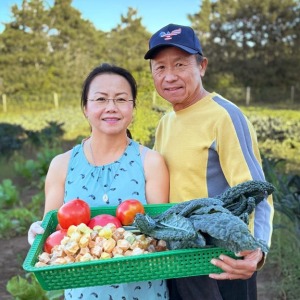
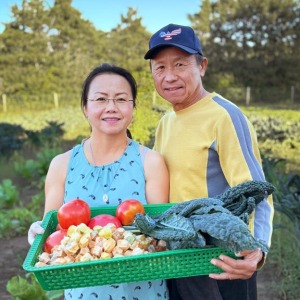
Credit: Hunger Task Force Farmers at Greengold Gardens, an organic farm in Wausau.
Many small producers operate on narrow margins and face increasing fuel, energy and supply costs. King said the program provides a stable outlet for products that might otherwise rely on less predictable direct-to-consumer sales.
“For many of these small businesses, margins are razor thin, and the sustainability of their business is year to year, season to season,” King said. “This is just a small but significant step in stabilizing markets for those businesses.”
The initiative also builds on efforts Hunger Task Force launched earlier this year after the federal Local Food Purchase Assistance program was discontinued. In response, the nonprofit created a Farm to Food Bank Fund using private donations to continue honoring purchasing agreements with local farmers.
Those private dollars are now helping supplement the state-funded initiative by covering transportation, storage and logistics costs associated with statewide distribution. 100% of the state dollars go to food assistance organizations.
Distribution happens through a combination of direct purchasing by local food assistance organizations and procurement support from the Wisconsin Food Hub Cooperative, a farmer-owned cooperative that helps coordinate sourcing and delivery.
For organizations on the ground, the program is already changing what they are able to offer clients.
“This has been the most fun grant I have ever had the privilege to work with,” said Melissa McCarthy, food access and resource manager for West CAP, which serves parts of northwest Wisconsin. “In the past we would never have been able to purchase such nice products.”
Hunger Task Force leaders say they intend to push for continued funding when Wisconsin’s next biennial state budget process begins in 2027.
“This is a win-win,” King said. “People in need get access to high-quality healthy food items, and small producers have stable markets and the ability to expand their businesses.”
Elizabeth Morin is a writer based in Virginia Beach. She is passionate about local sports, politics and everything in between.
Have any Virginia Beach-related news published on our website? Email us at admin at thevirginiabeachobserver.com.