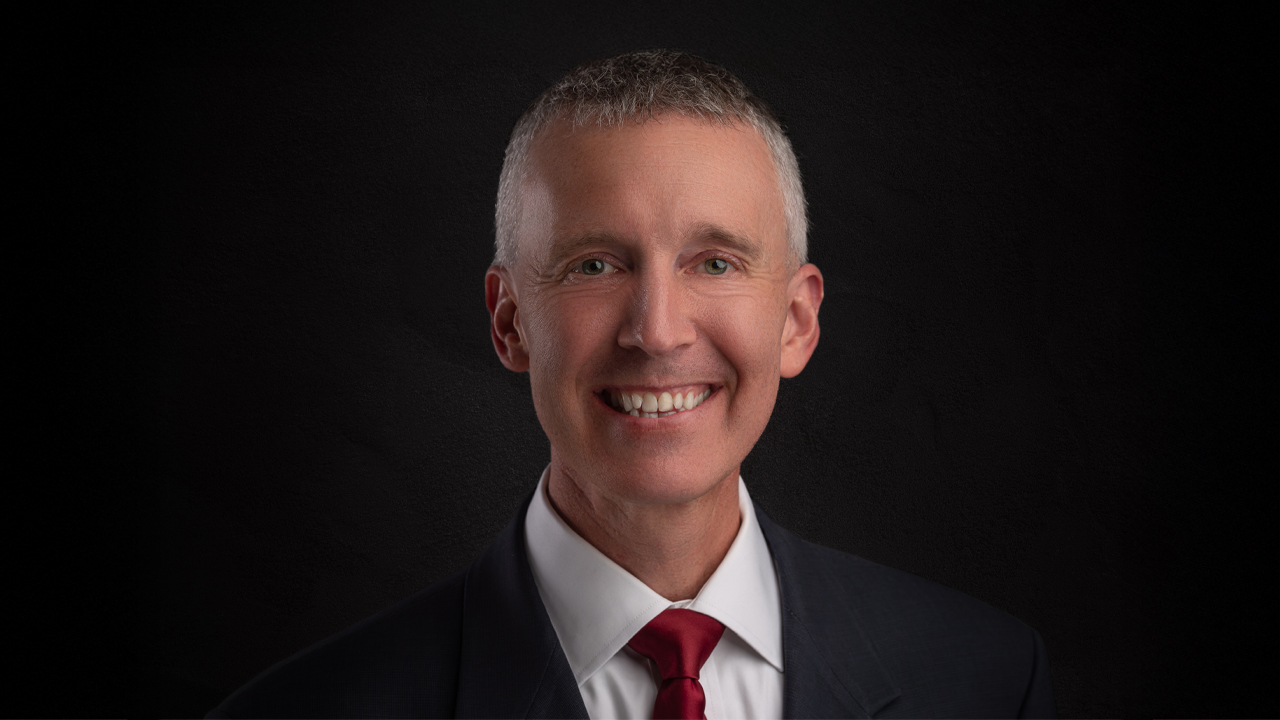
About six months into his new job as Milwaukee’s port director, Benji Timmsays he learns something new every day.
Timm was appointed to the role following 24 years with the Redevelopment Authority, where he managed some of the city’s most complex industrial and commercial real estate projects. He now leads a team of 20 tasked with operating Port Milwaukee as a key economic engine, from overseeing cargo movement and cruise ship traffic to maintaining infrastructure and working with private and public partners to support regional supply chains and tourism.
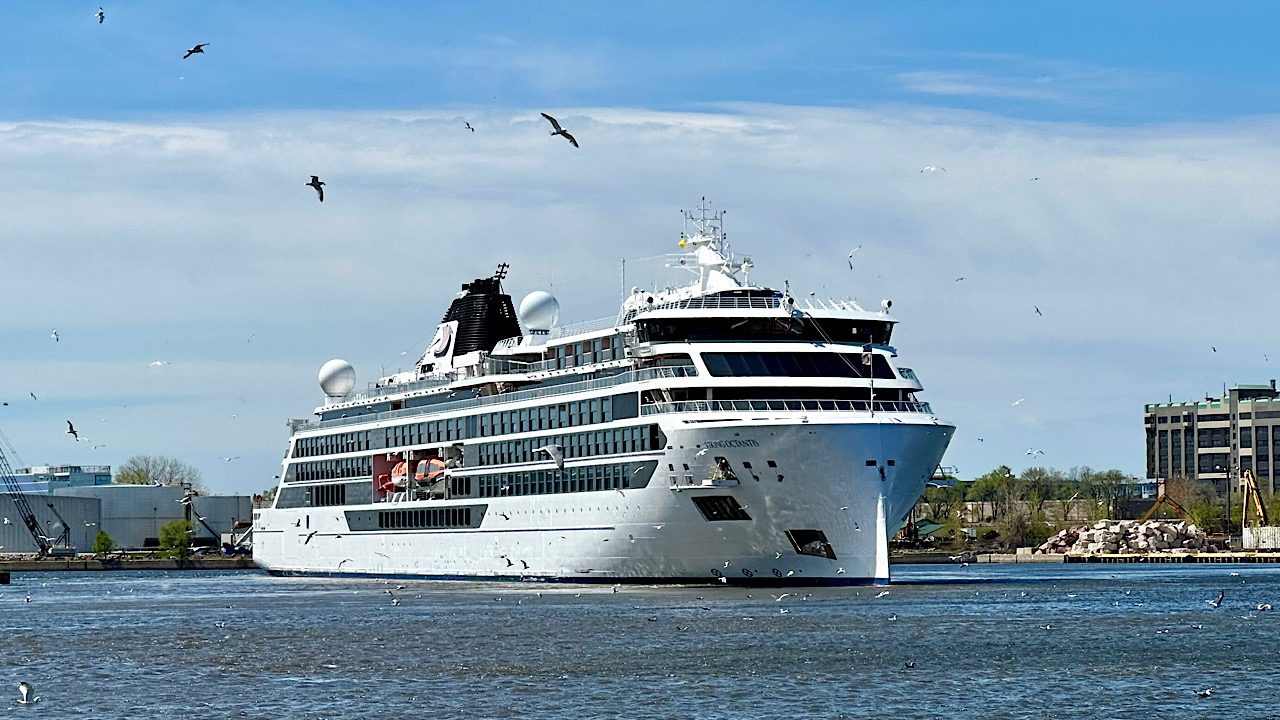
Notably, the port is gearing up for a record-setting cruise ship season, with 64 vessel visits bringing roughly 20,000 passengers – an 80% increase over 2025. Milwaukee will get its first port call of the season on April 23 from the Viking Polaris.
The port is working to complete its South Shore Cruise Dock construction project at 2320 S. Lincoln Memorial Drive, near the Lake Express Ferry terminal. Set to open in mid-summer, it will be the city’s third designated cruise dock and serve as the port-of-call for Seawaymax vessels such as the Viking’s twin Octantis and Polaris vessels — the largest cruise ships on the Great Lakes. The current docking place for cruise ships of that scale is the City Heavy Lift Dock near the Metropolitan Milwaukee Sewage District. Pier Wisconsin is the other dock, built for smaller vessels. Over the past four cruise ship seasons, 60% of passenger visits have gone to the City Heavy Lift Dock, and all of those visits will be transferred to the new South Shore Cruise Dock.
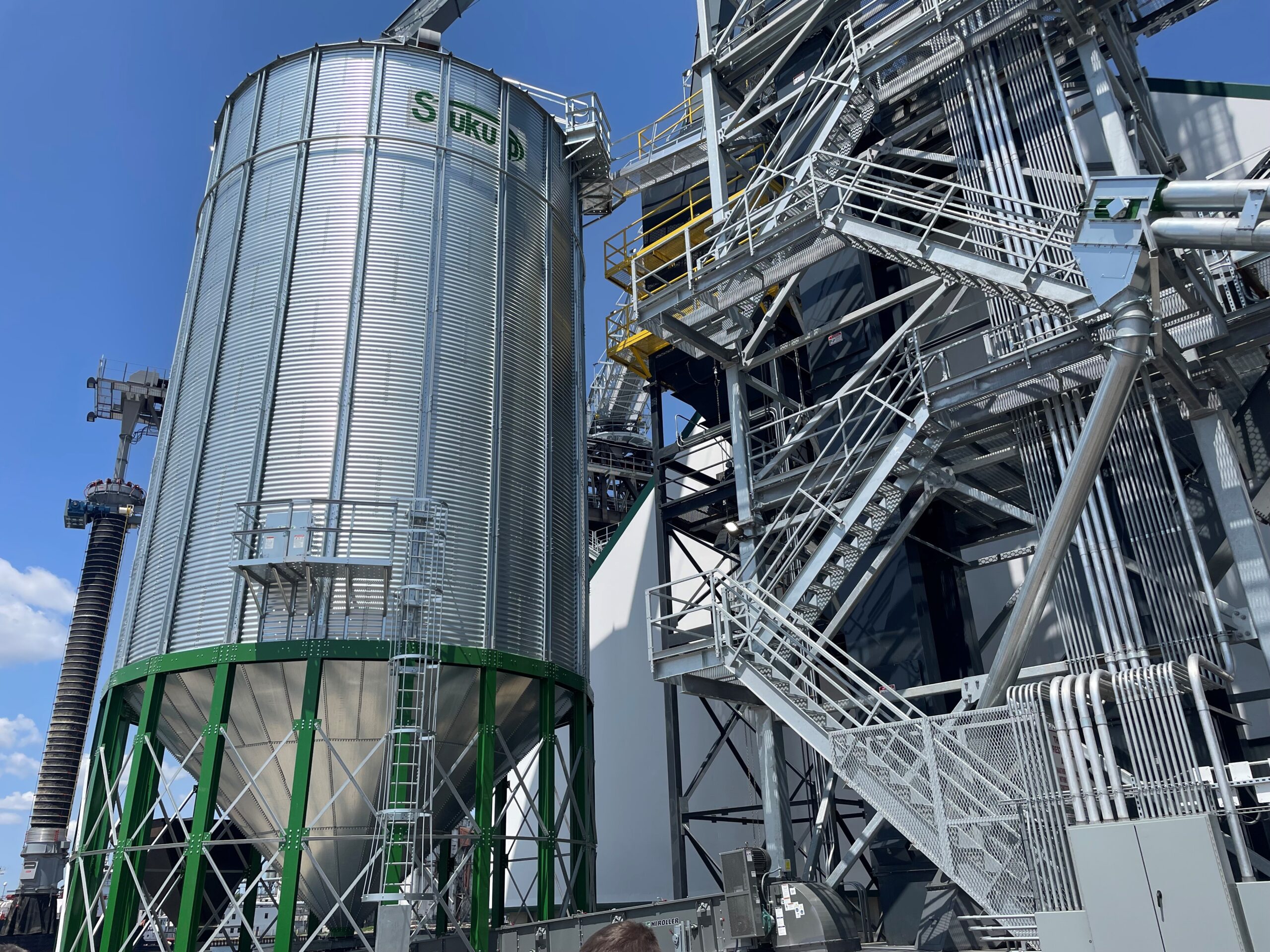
On the commercial side of the port’s operations, the Agricultural Maritime Export Facility was recently expanded to include two grain storage silos as well as electrical service upgrades and supplementary handling equipment. The $40 million facility, which is operated by Clinton-based The DeLong Co., opened in summer 2023. The second phase of the expansion was completed in early April, opening up new opportunities for Midwestern farmers to ship products across the globe. The project cost $16 million and was funded in part by a $9.3 million grant from the U.S. Maritime Administration’s Port Infrastructure Development Program as well as $200,000 from the Soy Transportation Coalition.
In a recent interview with BizTimes associate editor Maredithe Meyer, Timm discussed his priorities for the port and its role in the region’s economy. The following portions of the conversation have been edited for length and clarity.
BizTimes: What have you been focused on since stepping into the role in November?
Benji Timm: “It’s been a great transition, very happy I did it. I’m learning a lot daily. I came in working in for the city of Milwaukee for 25 years and that was very helpful because I know the players, I know the system, I know Milwaukee, and there’s a number of similarities between my new role at the port and what I did previously. A lot of what I do is tenant management. We have over 20 tenants at Port Milwaukee, and those tenants include commercial tenants, recreational tenants and tourism tenants. There are a lot of similarities but also a lot of new things, too. I’m learning the maritime trade, that’s relatively new, and I’m learning the cruise ship industry, that’s brand new. On a daily basis I learn something new, which is great and what I love to do.
“The team here at Port Milwaukee is fantastic. One of the things I loved in my previous role, and one of the things that attracted me to Port Milwaukee, is that the team is very dedicated. They’re pro-Milwaukee, they’re pro-port and they work very hard each and every day. I want to be part of that team and to be able to lead that team is special, so I’m very grateful for that.
“We’re moving into both the international shipping season for cargo as well as the cruise ship season for tourists, and those are both important to Milwaukee. They’re big economic drivers and we are looking to grow both of those sectors.”
The port is expecting a record cruise ship season this year, with traffic expected to nearly triple. What’s driving that expected increase and what does it say about Milwaukee’s position as a Great Lakes cruise destination?
“First and foremost, I think Milwaukee has done a great job at creating an ecosystem for the cruise ship industry. Cruising is growing on the Great Lakes in general, but not everybody had the components in place to make it successful. I think Milwaukee has done a really good job and that includes our partners at Visit Milwaukee on Milwaukee Food & City Tours and the local businesses and communities as well as Port Milwaukee staff have worked really hard to make sure that Milwaukee is the premier destination. We’re here to serve, we’re here to support and serve the cruise ships as they arrive. Our season is kicking off earlier than it ever has, which is very exciting. April 23rd we’re expecting our first vessel.
The Viking Octantis docks at Port Milwaukee, kicking off the 2024 cruise season.
“We are also working to improve our infrastructure here at the port. We have three cruise docks, and we’ll be finishing our South Shore Cruise Dock by mid-summer. That’ll handle the largest of the cruise ships that typically visit the city of Milwaukee. That’s a big investment and also shows the industry and the cruise ship companies that we’re serious about it, that we want them to come here. We want the visitors, we want their economic investment, we want to bolster that and grow it. Milwaukee is a turnaround port, and that means people both get on and off the boats here in Milwaukee, so when they come here, they’ll typically stay overnight. They’ll eat at our restaurants, they’ll stay at our hotels, they’ll visit our neighborhoods and small businesses, so it’s a boon for everybody, and then there’s a lot of day visits, too.”
What’s the current status of the South Shore cruise dock project?
“Over the winter months, we put in the infrastructure so one of the things that didn’t exist in that area was sewer water, all the things that we’re going to need to serve the cruise ships as well as future development in that area. The dock is just east of the Lake Express Ferry terminal. We put in the infrastructure and now we’re basically filling the area with sand where the new platform will be. There are improvements in the water that’ll be part of a catwalk system, and then ultimately, we’ll pave over that and finish the platform.”
On the addition of American Cruise Lines’ new American Patriot vessel, scheduled to make six port calls in Milwaukee this season:
“It shows growth and demand in the Great Lakes system; to have a dedicated cruise line that is just traversing the Great Lakes is huge. And the fact that they’re calling on Milwaukee and Milwaukee is going to be a home port for them is fantastic. It’s an American-built ship, it’s an American-crewed ship, it’s an American-flagged ship, and to have that kickoff this year is one of the most exciting things we have going on.”
What’s the port doing to stay competitive on the commercial side in attracting and retaining cargo business?
”Port Milwaukee is always trying to diversify its commodities and the cargo that we handle here. Salt is probably our biggest. We handle a lot of concrete, agricultural materials, specialty cargo, things like that. So one, trying to diversify the mix is a strategic approach that we’re taking. But then, The DeLong Co., along with Port Milwaukee, just invested in an Agriculture Marine Export Facility, and The DeLong Co. is currently exporting a lot of grain. Milwaukee used to be known as a grain port and we’re moving back into that. That’s been a growing area that we are embracing and we’re supporting and so we’re making investments based on where we see growth. The DeLong facility is a multimodal facility, so it can handle marine traffic, rail traffic as well as truck traffic, so we are trying to increase opportunities there.
A reclaim system conveys product to be loaded onto vessels at The DeLong Co.’s agricultural maritime export facility at Port Milwaukee.
“We’re investing in our rail infrastructure, we’re investing in our dock walls, we’re investing in terminals. We just received $1.4 million from the Wisconsin Department of Transportation Harbor Assistance Program. Many of our terminals were built in the 1960s shortly after the St. Lawrence Seaway opened, and they definitely need some attention. So we’re working on making improvements, we’re looking at expanding, opportunities with warehousing to support more growth here.
“In terms of competing with our neighboring ports, the maritime industry is really interesting because on one hand we’re competing with Burns Harbor (in Indiana) and Chicago and Cleveland, but on the other hand, we rely on them as well, and they rely on us because if, let’s say, that Burns Harbor is bringing in vessels to deliver steel to Indiana, well they’re going come to Milwaukee after they drop off their steel, and they’re going backhaul grain from the DeLong facility, so while we are competing with one another, the more traffic we can bring into the Great Lakes system, it benefits everyone. So, it’s a really unique dynamic that I don’t think you see in other industries.”
What should Milwaukee business leaders understand about Port Milwaukee and the work you do?
“Port Milwaukee really is a regional asset, that’s our strength. We support businesses throughout the state of Wisconsin, and we support businesses and operations in Minnesota, Iowa, the Dakotas, Illinois and beyond. We indirectly benefit the region, both economically as well as in job creation. We have a foreign-trade zone, or Foreign-Trade Zone No. 41, which extends up to Fond du Lac and covers southeastern Wisconsin and allows for certain breaks on tariffs for importing and exporting components for manufacturing and warehousing. So that’s one of our assets.
“We want to hear from businesses, we want to hear what businesses need. We have a lot of unique capabilities here with our heavy lift cranes; with our docking operations, we can bring in international vessels from Europe and Africa, from anywhere in the world.
“We are also the northernmost point for the inland water system, so we can accept and send barges into the heart of America, so down the Mississippi River, the Ohio River. We can transload international cargo from an international vessel here at Milwaukee, put it on a barge and ship it down to St. Louis, or New Orleans or some point south, so local businesses can use that. That’s one of the things we’re looking at for grain exports, there are opportunities there. Milwaukee is partnering with Burns Harbor, Indiana, as well as the Port of Chicago to basically explore the inland river system further and what opportunities exist there, both from business opportunities, but also employment opportunities. How can we better serve our customers here in Milwaukee and connect them to different points in different ways?
“I think opening and trying to open up the inland water system, river system is definitely something that most people don’t realize (the port does). A lot of people don’t even know that a port exists, so we spend a lot of time talking to business groups, community groups, schools, getting the word out about Port Milwaukee, and also getting the word out about maritime careers, too. So we talk to young people at the middle school, high school and post-high school levels, trying to encourage and build interest in the maritime industries. We partner with a lot of our companies who are tenants here in the port, but also organizations, like the Metropolitan Milwaukee Association of Commerce and Employ Milwaukee and others trying to get the word out about what we do here and what opportunities we have.”
In a separate interview with BizTimes in mid-April, Timm commented on the recent completion of the second phase expansion of DeLong’s Agricultural Maritime Export Facility:
“The facility is a big deal for Milwaukee. It really puts Milwaukee on the map when it comes to agricultural exports. Historically, Milwaukee was on the map, we were a big agricultural exporter that, especially when the St. Lawrence Seaway opened in 1959, that was big business for us. The last facility to really export grain out of the port was the Nidera or Cofco facility — the big white silos on the west side of the mooring basin. That closed down five to 10 years ago, they stopped using that facility, and now Ozinga bought it, and they’re going to use it for concrete.
“But building a state-of-the-art, agricultural export facility at Port Milwaukee put us back in business. … I believe (the facility) succeeded (DeLong’s) expectations, and they spent about $16 million to build two new silos in that facility. That’s really gonna give them more flexibility in the types of commodities that they can manage here in Milwaukee.
“Right now, their primary product is what’s called DDGs, distillers’ dried grain with solubles. Those are basically a byproduct of the ethanol process. So there’s ethanol plants throughout Wisconsin, and then the byproducts, the DDGs, are shipped to Milwaukee, and then they get distributed primarily across the Atlantic Ocean … to Europe and North Africa primarily for animal feed. So now, with the two new silos, the phase-two expansion, they can handle different types of agricultural products. … A lot of Midwestern agricultural exports either go down the Mississippi River by barge or they’ll get put into containers and go to the coast for shipment, particularly the West Coast, for shipments, like soybeans go to Asia and other places. This opens a new avenue for shipping out of the Great Lakes.”
Elizabeth Morin is a writer based in Virginia Beach. She is passionate about local sports, politics and everything in between.
Have any Virginia Beach-related news published on our website? Email us at admin at thevirginiabeachobserver.com.